Confectionery & Fine Foods: The Convenience of Airport Gastronomy
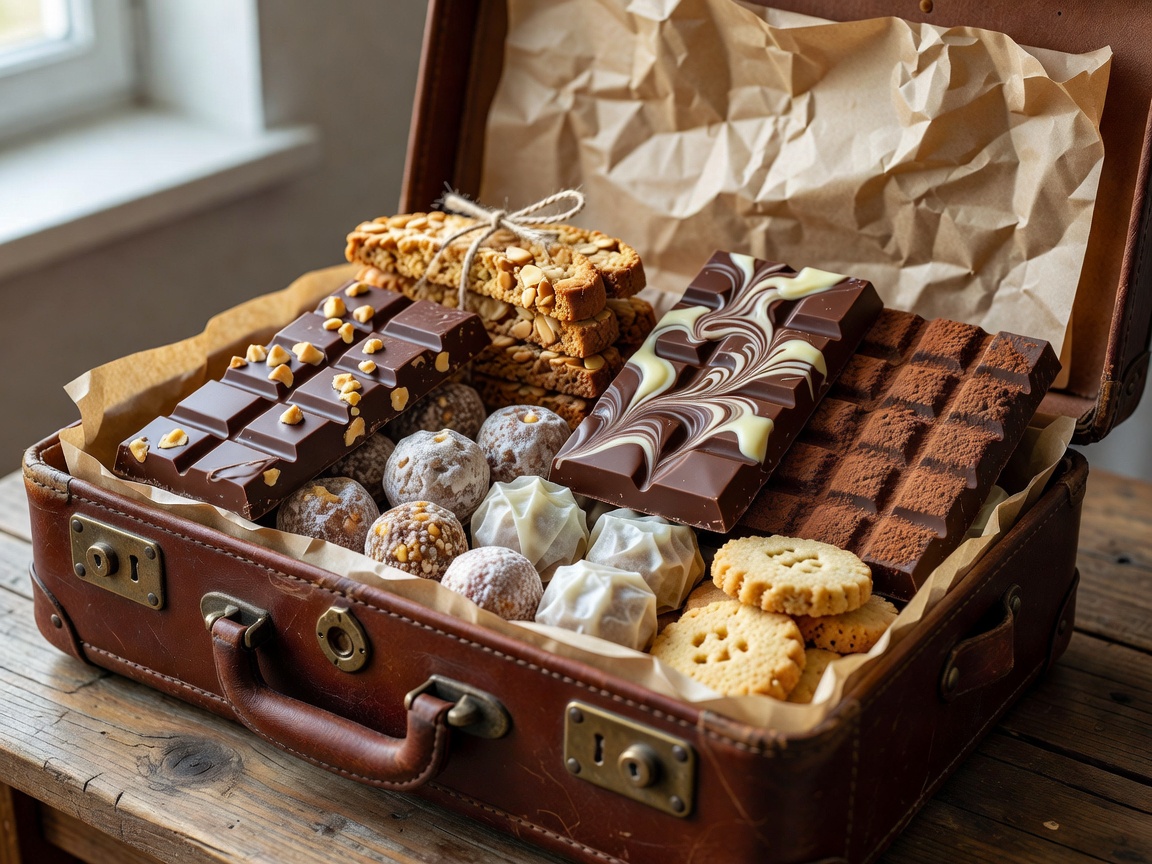
From iconic, oversized chocolate bars to artisanal local delicacies, the confectionery and fine food section is often the most heavily trafficked area of any duty-free store. It caters to last-minute gift buyers and travelers seeking to spend remaining foreign currency. However, unlike spirits and tobacco, food products rarely benefit from significant tax exemptions, fundamentally altering the value proposition of this category.
The Reality of Pricing
The term "duty-free" is largely a misnomer when applied to chocolate, biscuits, and general confectionery. In most domestic markets, staple foods and candies are not subject to the heavy excise duties applied to alcohol and tobacco; they may only carry standard sales tax or VAT, and in some jurisdictions, basic foods are zero-rated for tax entirely.
Because there is little to no tax burden to remove, airport retailers cannot offer structural savings on food items. In fact, due to the high operational costs of maintaining retail space in an international terminal, the per-gram price of confectionery at the airport is almost universally higher than at a domestic supermarket.
Therefore, purchasing food at the airport should be viewed as a transaction based on convenience and exclusivity, rather than cost savings. The premium paid is for the utility of acquiring gifts immediately before boarding, saving luggage space, and avoiding the hassle of transporting fragile food items to the airport.
Oversized and Exclusive Formats
To justify the higher price points and create appeal, confectionery brands engineer specific products exclusively for travel retail. The most famous example is the oversized, multi-kilogram chocolate bar, which has become a cultural icon of airport transit.
In addition to novelty sizing, brands offer exclusive flavor assortments, premium gift tins, and multi-pack bundles that cannot be sourced domestically. These products are designed with gifting in mind. The packaging is often robust, built to withstand the rigors of being shoved under an airplane seat or stacked in an overhead bin without the contents being crushed.
Local Gastronomy and Souvenirs
Beyond international megabrands, major airports increasingly dedicate floor space to regional fine foods, offering travelers a final opportunity to purchase authentic local gastronomy. This might include shortbread in Scotland, maple syrup in Canada, or premium dates in the Middle East.
Purchasing these items airside offers a distinct advantage: security compliance. If a local delicacy involves liquids or pastes (such as truffle oil, jams, honey, or soft cheeses), it is subject to aviation security rules. A jar of locally produced honey purchased in a downtown market will be confiscated at airport security if it exceeds 100ml and is carried in hand luggage. Purchasing that same item in the airside duty-free zone bypasses this restriction, allowing passengers to safely carry gastronomic souvenirs into the cabin.
Agricultural Customs and Import Restrictions
While aviation security regulates what can get on the plane, agricultural customs regulates what can get off the plane. Transporting food across international borders is highly regulated to prevent the spread of pests and diseases.
When purchasing fine foods, passengers must be acutely aware of their destination's agricultural import laws. While processed, commercially packaged confectionery (like chocolate bars or hard candies) is almost universally permitted, raw or minimally processed agricultural goods face strict scrutiny. Items such as fresh fruits, certain cured meats, seeds, nuts, and raw dairy products are frequently banned or require rigorous inspection and declaration.
Failure to declare food items upon arrival can result in severe fines and the destruction of the goods, regardless of whether they were purchased in an official airport duty-free shop. Always review the specific border control guidelines of your destination country before investing in high-end, locally sourced food products at the airport.