Perfumes & Cosmetics: Navigating the Beauty Halls of Travel Retail
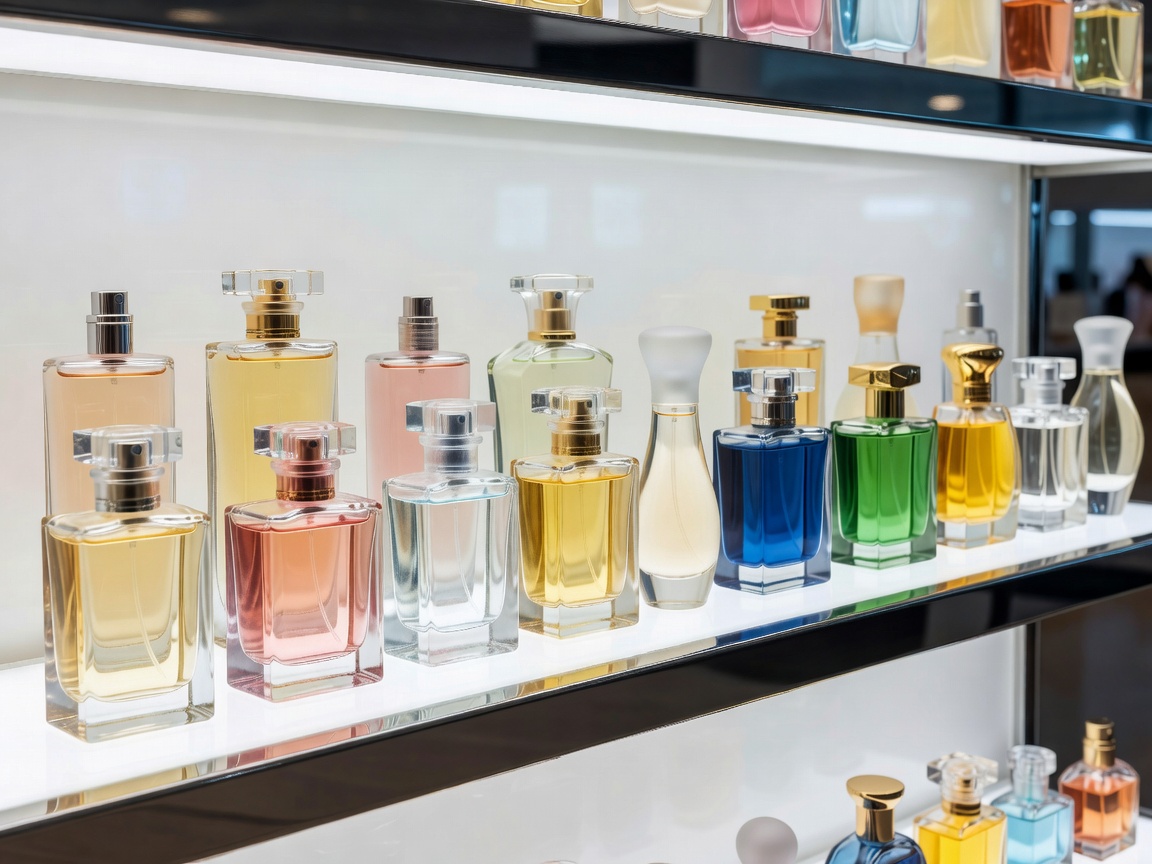
The beauty and fragrance halls are often the first, most prominent retail spaces passengers encounter after clearing airport security. Brightly lit, meticulously organized, and heavily staffed by brand representatives, the perfume and cosmetics category represents a significant portion of global travel retail revenue. But behind the glossy displays, how do the mechanics of purchasing beauty products at the airport actually work?
The Truth About Duty-Free Pricing
A common misconception among travelers is that "duty-free" automatically equates to a massive discount compared to domestic high-street prices. In the context of perfumes and cosmetics, the reality is far more nuanced.
When you purchase goods in an airport terminal, the retailer may not be required to charge local value-added tax (VAT) or specific excise duties, depending on your final destination. However, the cost of operating a retail space within a major international airport is astronomical. Concession fees paid to the airport authority can cut deeply into retail margins. Consequently, retailers frequently absorb the tax savings to subsidize their overhead, meaning the final price presented to the passenger might be only marginally lower—or in some rare cases, slightly higher—than prices found during domestic promotional events or online.
To ensure you are genuinely saving money, the golden rule of airport beauty shopping is preparation. Passengers should research the standard retail price (SRP) of their desired fragrance or skincare item before arriving at the airport. Having a baseline figure makes it immediately apparent whether the duty-free price offers a worthwhile discount.
Travel Retail Exclusives (TREs)
Where duty-free shops truly shine is in their offering of Travel Retail Exclusives (often abbreviated as TREs). Beauty conglomerates invest heavily in developing products specifically for the airport market. These cannot, by definition, be purchased in domestic department stores or pharmacies.
TREs generally fall into three categories:
- Value Sets and Bundles: Twin-packs of popular moisturizers, multi-palettes containing eyeshadows, blushes, and lip colors, or trios of luxury lipsticks. These bundles often represent a lower per-unit cost than buying the items individually on the high street.
- Oversized Formats: Jumbo-sized bottles of prestige serums, cleansers, or eau de parfum that are produced exclusively for international travelers.
- Exclusive Palettes and Shades: Cosmetic palettes designed specifically for jet-setters, sometimes themed around travel or specific global destinations, housed in unique, limited-edition packaging.
For the savvy consumer, TREs represent the highest value proposition in the beauty category, offering unique formats that justify the purchase regardless of minor price fluctuations compared to domestic markets.
Understanding Formulation Strengths
When purchasing fragrances, it is vital to understand the concentration of the product you are evaluating. Airport lighting and the rushed environment can lead to hasty purchases where the wrong formulation is selected. The differences significantly affect both longevity on the skin and the price.
| Formulation | Concentration | Average Longevity | Characteristics |
|---|---|---|---|
| Eau de Cologne (EDC) | 2% – 5% | 2 hours | Light, fresh, often citrus-based. Excellent for refreshing during travel. |
| Eau de Toilette (EDT) | 5% – 15% | 3 – 4 hours | The most common daytime format. Focuses heavily on the top notes. |
| Eau de Parfum (EDP) | 15% – 20% | 5 – 8 hours | Heavier, more robust projection. Focuses on the heart notes of the fragrance. |
| Parfum / Extrait | 20% – 40% | 12+ hours | The most expensive and concentrated tier. Applied sparingly to pulse points. |
Liquid, Aerosol, and Gas (LAG) Restrictions
The purchase of perfumes and liquid cosmetics is inextricably linked to aviation security regulations. The standard international rule limits passengers to carrying liquids in containers of 100ml (3.4 oz) or less through security checkpoints. However, items purchased after security—which includes the vast majority of duty-free shops—are exempt from this initial screening.
The complication arises for passengers with connecting flights. If you purchase a 200ml fragrance at your departure airport and then must reclear security at a transit hub, your purchase may be confiscated. To prevent this, duty-free retailers utilize Secure Tamper-Evident Bags (STEBs).
When making a liquid purchase that exceeds 100ml, inform the cashier if you have a connecting flight. They will seal the item, along with the receipt, inside a standardized, red-bordered STEB. Under current international aviation protocols, intact STEBs are generally permitted through transit security checkpoints. However, passengers must never open the STEB until they have reached their final destination. It is also crucial to note that regulations can vary by jurisdiction, and some domestic transfer terminals may still enforce a blanket ban on liquids over 100ml regardless of STEB usage. When in doubt, verifying transit rules with your airline prior to travel is highly recommended.