Spirits & Wines: Decoding the Alcohol Allowances of Global Travel
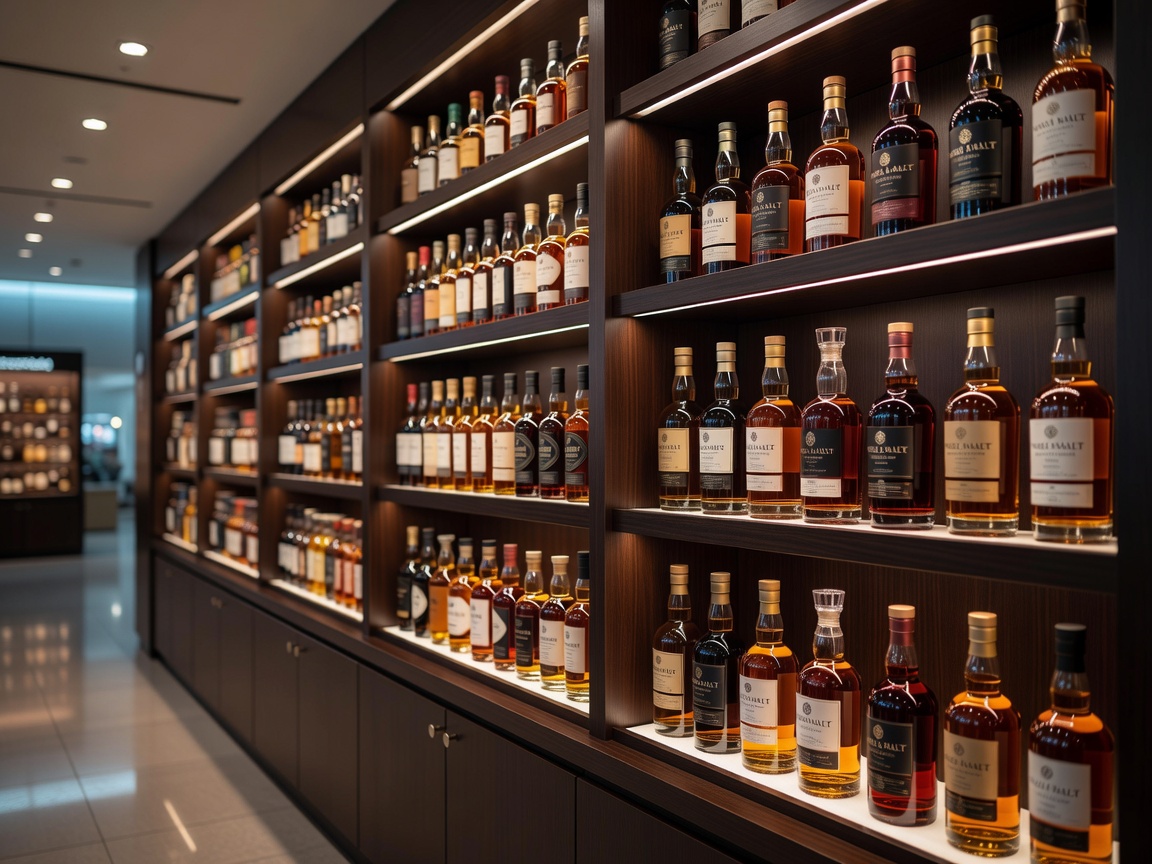
For decades, the purchase of a bottle of premium liquor has been synonymous with international travel. The spirits and wines section of a duty-free store often acts as an ambassador for the departure country, showcasing local vineyards and distilleries alongside major global brands. However, navigating this category requires a firm grasp of international customs allowances and transit logistics.
The Economics of Duty-Free Liquor
Alcohol is heavily taxed in most jurisdictions around the world. Governments apply varying levels of excise duty, value-added tax (VAT), or sales tax based on the volume and Alcohol by Volume (ABV) of the beverage. Because duty-free shops are situated in international transit zones, goods sold to departing international passengers are frequently exempt from these national taxes.
This structural exemption means that the spirits category often yields some of the most genuine financial savings in the airport retail environment. A premium bottle of single malt Scotch or fine French cognac can sometimes be purchased at a significantly lower price than in a domestic off-license or liquor store, purely because the heavy tax burden has been removed. However, just as with cosmetics, airport concession fees are high, and retailers set prices strategically. The greatest percentage savings are usually found on mid-tier to high-end spirits, rather than standard mass-market brands.
Travel Retail Exclusive Bottlings
Distilleries understand the value of the captive airport audience. Consequently, a vast sub-market of "Travel Retail Exclusives" (TREs) exists within the spirits industry. These are bottlings engineered solely for duty-free operators and are entirely unavailable in domestic markets.
In the whisky sector, for example, distilleries often release non-age-statement (NAS) expressions, unique cask finishes (such as rum, port, or rare sherry cask maturation), or distinct one-liter format bottles specifically for travelers. For collectors and enthusiasts, these exclusive releases present a compelling reason to shop at the airport, as the items hold unique value and novelty that supersedes straightforward price comparisons.
Customs Allowances: Know Before You Buy
The most critical constraint on buying duty-free alcohol is the customs allowance of your destination country. "Duty-free" only applies at the point of departure. If you arrive at your destination and exceed their importation limits, customs officers will assess duties and taxes on the excess amount, completely nullifying any savings—and potentially resulting in fines.
Allowances vary wildly by nation and are often categorized by ABV. A common standard observed by many nations (though always subject to verification) differentiates between strong spirits and weaker fermented beverages.
- Spirits (Over 22% ABV): Many Western nations standardise the allowance at 1 litre per adult passenger.
- Fortified Wines (Under 22% ABV): Allowances often increase for products like sherry or port, sometimes up to 2 litres.
- Wines and Beers: Table wine and beer allowances are generally more generous, sometimes permitting several litres, though strictly regulated in some Middle Eastern and Asian territories.
It is imperative to research the exact limits of the country you are flying into. Furthermore, Islamic nations may have zero tolerance for alcohol importation, meaning any alcohol purchased will be confiscated upon arrival regardless of duty-free status.
Transit Flights and STEBs
Purchasing heavy, breakable glass bottles of liquid poses a specific challenge for passengers on connecting flights. If you must clear a secondary security checkpoint during your journey, unsealed liquids over 100ml will be confiscated under global aviation security protocols.
To combat this, the industry relies on Secure Tamper-Evident Bags (STEBs). When you purchase alcohol and declare a connecting flight, the cashier will seal the bottle(s) and the receipt inside a standardized STEB.
You must not break this seal until you have cleared your final customs checkpoint at your ultimate destination. While STEBs are recognized by most major international transit hubs, discrepancies exist. Some nations (such as certain domestic transfer policies in the United States and Australia) may require passengers to reclaim checked baggage, place the duty-free liquids inside the checked luggage, and re-check the bags before proceeding to a domestic connecting flight. Always inquire with the retailer or airline staff about the specific transit protocols for your routing.